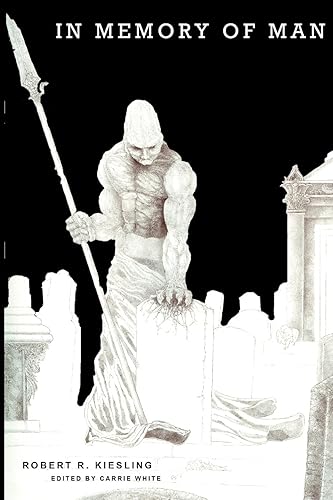
The Foundation
In Memory of Man explores fundamental questions about consciousness, identity, and what it means to be human in a world where machines can think.
Written by a trial attorney with a front-row seat to how human judgment operates under pressure, the novel asks: If we create machines that can think like us, what happens to the boundary between human and artificial? And if that boundary disappears—what do we become?
A Decade Ahead
When In Memory of Man was first published, AI was still largely theoretical. Self-driving cars, conversational AI, machine learning—these were laboratory concepts, not daily realities.
The novel imagined a future where artificial intelligence wasn't just capable—it was conscious. Where machines didn't just process information, they understood it. Where the line between human and artificial intelligence wasn't just blurred—it was gone.
Now, as AI systems like ChatGPT engage in conversations indistinguishable from human dialogue, as algorithms make life-altering decisions, as debates rage about AI consciousness and rights—the questions posed in 2007 have become urgent.
The Expanded Vision
In 2017, Kiesling published In Memory of Man: Dawn of AI, an expanded edition that incorporated a decade of real-world AI development. The core story remained, but the context had changed dramatically. Fiction was catching up with reality faster than anyone expected.
The Beginning of a Journey
In Memory of Man is more than a novel—it's the foundation of Robert Kiesling's ongoing exploration of humanity's relationship with intelligent machines. Every book that followed builds on questions first asked here.
If you want to understand where The Last Resistance and Discredited Citizen came from, start here. This is ground zero.
Buy on Amazon