The Story
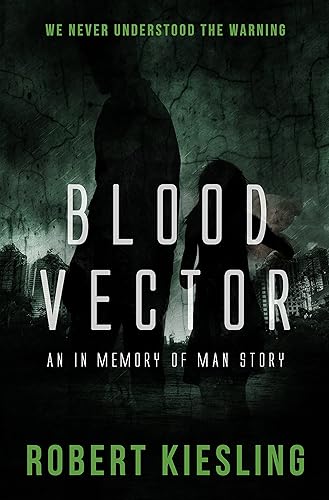
In a near-future world where genetic engineering has become routine, one company has achieved what was thought impossible: weaponized DNA that can target specific individuals or populations with surgical precision.
Blood Vector follows multiple characters caught in the crossfire as this technology escapes corporate control—a scientist who knows too much, a security contractor hired to contain the damage, and victims who never saw it coming.
Part techno-thriller, part cautionary tale, the novel explores what happens when biology becomes hackable and your genetic code becomes your vulnerability.
Prescient Themes
Written in 2017, Blood Vector anticipated real-world developments in CRISPR gene editing, synthetic biology, and targeted biological weapons. Today, as genetic engineering becomes more accessible and controversial, the novel's core question remains urgent: Who controls the future of human biology?
Unlike traditional bioweapon stories, Blood Vector doesn't rely on zombie plagues or global pandemics. Instead, it explores something more insidious: precision targeting, genetic profiling, and the weaponization of personalized medicine.
Why It Resonates
At its core, Blood Vector is about power—who has it, who wants it, and what they'll do to keep it. The technology is just the mechanism. The real story is about corporate accountability, scientific ethics, and the limits of human control over nature.
Written by an attorney who has spent decades navigating questions of liability and responsibility, the novel offers a unique perspective on who should be held accountable when biology goes wrong.
For Readers Who Enjoyed
If you liked Michael Crichton's Jurassic Park or The Andromeda Strain, Blake Crouch's Dark Matter, or the biotech thriller genre—Blood Vector delivers the same tense pacing with deeper ethical questions.
Buy on Amazon